

Discover the Patrician Philosophy: Redefining Leadership
…through the strategic development of products, projects, brands, and people.
The patrician represents the ideals of stewardship, responsibility, and enduring impact. Their value to society is immense: they are the thinkers, the builders, and the caretakers of civilization. While they enjoy prestige, their true worth is in their contribution—creating systems, fostering growth, and leaving a legacy that transcends generations.
In modern times, the spirit of the patrician can inspire leaders in business, governance, and culture. Like the patricians of Rome, those who carry this mantle today are tasked with balancing heritage and innovation, ensuring the prosperity of their communities while setting the stage for a better tomorrow.
Etymology and Historical Context
The Origin of ‘Patrician’
The term ‘Patrician’ originates from the Latin word Patricius, meaning noble or of high character, derived from Pater (Father). Historically, it represented:
- Ancient Rome: The ruling elite and societal leaders.
- Middle Ages: Influential citizens in Italian city-states.
- Modern Day: A symbol of integrity, leadership, and societal contribution.
Philosophical and Cultural Significance
The Value of Being a Patrician
The Patrician ideal embodies stewardship, responsibility, and legacy. It reflects a dual role: balancing ambition with integrity. This archetype represents the Guardian of tradition, a visionary leader, and a cultural influencer. In modern society, it inspires ethical leadership in business, governance, and culture.
Modern Relevance and Leadership
The Patrician Legacy Today
In today’s world, The Patrician symbolizes leadership, class consciousness, and civic responsibility. It serves as an inspirational narrative for ethical leadership, virtue, and societal impact, cultivating conscious leaders who inspire positive transformation.
Over time, the concept of the patrician transcended its Roman origins, evolving into a broader idea of nobility—not just by birth but by character and contribution. It came to signify individuals who live with discipline, vision, and a commitment to creating something greater than themselves.
The Patrician Archetype
The Patrician archetype is a blueprint for conscious leadership and purpose-driven living, marked by:
Nobility as Character, Not Class
Redefining nobility as moral integrity, leadership, and societal contribution.
Guardian and Visionary
Balancing tradition with innovation, preserving culture while inspiring progress.
Cultural Influence and Legacy
Shaping society through ethical leadership, creativity, and conscious impact.
Mastery
Emotional and intellectual self-control.
Visionary Thinking
Anticipating future needs and challenges.
Balance
Aligning ambition with authenticity and integrity.
Responsibility
Commitment to community, purpose, and legacy.
Dialect and Language
Communicating with wisdom, authority, and inspiration.







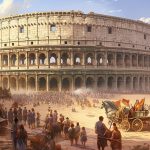



The Patrician philosophy
Our philosophy revolves around conscious leadership, authentic purpose, and flow alignment. It’s about mastering ambition with integrity, balancing power with purpose, and living with intentionality. Here’s a breakdown of the core elements:
Conscious Leadership
- Visionary Direction: Leading with foresight, purpose, and responsibility.
- Emotional and Intellectual Mastery: Exercising self-control and wisdom in decision-making.
- Civic Duty and Stewardship: Committing to societal impact and legacy building.
Authentic Purpose
- Identity and Legacy: Understanding and embracing one’s unique contribution to society.
- Integrity and Ambition: Balancing personal ambition with ethical responsibility.
- Purpose-Driven Living: Pursuing goals that align with deeper values and meaning.
Flow Alignment
- Harmonizing Ambition with Purpose: Achieving success without compromising authenticity.
- Balance and Resilience: Navigating life’s challenges with grace and intention.
- Dynamic Growth: Continuously evolving while maintaining a clear sense of self and purpose.
Warrior Revival
Providing spaces for rest, reflection, and empowerment, ensuring they’re prepared for the ongoing journey.
The Patrician Archetype
- Nobility as Character, Not Class: Redefining nobility as moral integrity, leadership, and societal contribution.
- Guardian and Visionary: Balancing tradition with innovation, preserving culture while inspiring progress.
- Cultural Influence and Legacy: Shaping society through ethical leadership, creativity, and conscious impact.
- Mastery: Emotional and intellectual self-control.
- Visionary Thinking: Anticipating future needs and challenges.
- Balance: Aligning ambition with authenticity and integrity.
- Responsibility: Commitment to community, purpose, and legacy.
- Dialect and Language: Communicating with wisdom, authority, and inspiration.
Philosophical and Theological Reflections
Our philosophy is enriched by historical thinkers and theologians, whose insights shape our approach to leadership, morality, and societal influence:
- Historians: Edward Gibbon, Theodor Mommsen, Mary Beard – Roman governance and societal structures.
- Philosophers: Machiavelli, Nietzsche, Cicero – Power dynamics, morality, and virtuous leadership.
- Theologians: Augustine, Aquinas, Calvin – Moral responsibility and spiritual leadership.
- Political Thinkers: Weber, Arendt, Marx – Authority, class dynamics, and civic duty.
- Cultural Theorists: Spengler, Campbell, Graves – Archetypal symbolism and societal evolutio
Historical Figures Embodying the Patrician Ideal
Our philosophy draws inspiration from historical figures who embodied Patrician values:
- Roman Patricians: Lucius Junius Brutus (Republican values), Marcus Tullius Cicero (Statesmanship).
- Renaissance & Enlightenment: Lorenzo de’ Medici (Cultural Patron), Benjamin Franklin (Civic Advancement).
- Modern Icons: Winston Churchill (Resilience), Jacqueline Kennedy Onassis (Cultural Preservation), Mahatma Gandhi (Moral Leadership).
Psycho-Social and Analytical Frameworks
Our framework integrates psychosocial and psychoanalytical paradigms, emphasizing conscious leadership and purpose-driven living:
- Psychosocial Paradigms:
- Erikson’s Developmental Stages: Generativity and societal contribution.
- Maslow’s Hierarchy: Self-actualization and legacy through purpose.
- Social Role Theory: Leadership and stewardship as identity roles.
- Jungian Archetypes:
- The Sage: Knowledge for societal benefit.
- The Ruler: Ethical power and societal order.
- The Creator: Legacy through conscious creation.
“The welfare of the people is the highest law”
-Cicero
Integrating the Patrician Concept
The Patrician philosophy is about balancing personal ambition with societal contribution.
It starts with embracing the Inner Roman – the natural drive for power and order – but using it purposefully and responsibly.
Balanced Ambition means pursuing personal goals while positively impacting society. It’s about achieving success without compromising integrity or the greater good.
Holistic Identity combines personal growth with community responsibility, shaping leaders who influence the future while preserving tradition.
By integrating these ideas, the Patrician concept becomes a guide for personal development and positive societal change, inspiring leaders to use their power wisely.
Shared Patrician Qualities
Great Patricians throughout history stood out not just for their power but for their commitment to stewardship, legacy, and societal good. They balanced personal ambition with responsibility to their communities, setting an example of ethical leadership.
These timeless qualities inspire today’s leaders to aim high while uplifting society, ensuring their success leaves a lasting positive impact.
Notable Patricians in History
While the term “patrician” originates in ancient Rome, its spirit—denoting refined leadership, stewardship, and societal contribution—has been embodied by many individuals throughout history. Here are a few notable figures who align with the patrician archetype:
Roman Patricians
- Lucius Junius Brutus (sixth century BCE)
- Known as a founder of the Roman Republic, Brutus exemplified the patrician ideal of duty to the state by overthrowing the monarchy and helping establish the early Roman Senate.
- Marcus Tullius Cicero (106 BCE – 43 BCE)
- Though technically not born a patrician, Cicero embodied its spirit as a statesman, orator, and philosopher. He championed Roman republican values, placing the needs of society above personal ambition.
Renaissance and Enlightenment Patricians
- Lorenzo de’ Medici (1449 – 1492)
- Known as “Lorenzo the Magnificent,” this Florentine ruler supported the arts, sciences, and culture during the Renaissance, embodying the patrician ideal of fostering societal enrichment.
- Benjamin Franklin (1706 – 1790)
- A quintessential patrician in the American context, Franklin’s contributions as a statesman, inventor, and writer left a legacy of intellectual and civic advancement.
- Thomas Jefferson (1743 – 1826)
- Jefferson’s vision for America as a republic of informed citizens reflected the Roman patrician ethos of guiding and shaping society with wisdom and responsibility.
Modern Patrician Figures
- Winston Churchill (1874 – 1965)
- As a statesman and writer, Churchill’s leadership during World War II demonstrated the patrician balance of authority, resilience, and dedication to the greater good.
- Jacqueline Kennedy Onassis (1929 – 1994)
- While not a political leader, Jackie Kennedy personified the cultural patrician through her refinement, patronage of the arts, and preservation of historical heritage.
- Mahatma Gandhi (1869 – 1948)
- Gandhi’s leadership, though focused on humility and service, resonates with the patrician ideal of shaping society through personal discipline, vision, and moral clarity.
“The only limit to our realization of tomorrow will be our doubts of today.”
-Franklin D. Roosevelt
Get to know us
Passion is Our Purpose. Success is Our Legacy.
At Patrician Consulting, we are more than just a consultancy—we are architects of legacy, visionaries of leadership, and cultivators of authentic purpose. Inspired by the timeless wisdom of the patrician archetype, we blend historical insight, philosophical depth, and strategic foresight to empower leaders and organizations to shape the future with integrity and impact.
How willing are you to reimagine the world?
Because the future does not build itself.
It is crafted by those bold enough to create it.
© All Rights Reserved.